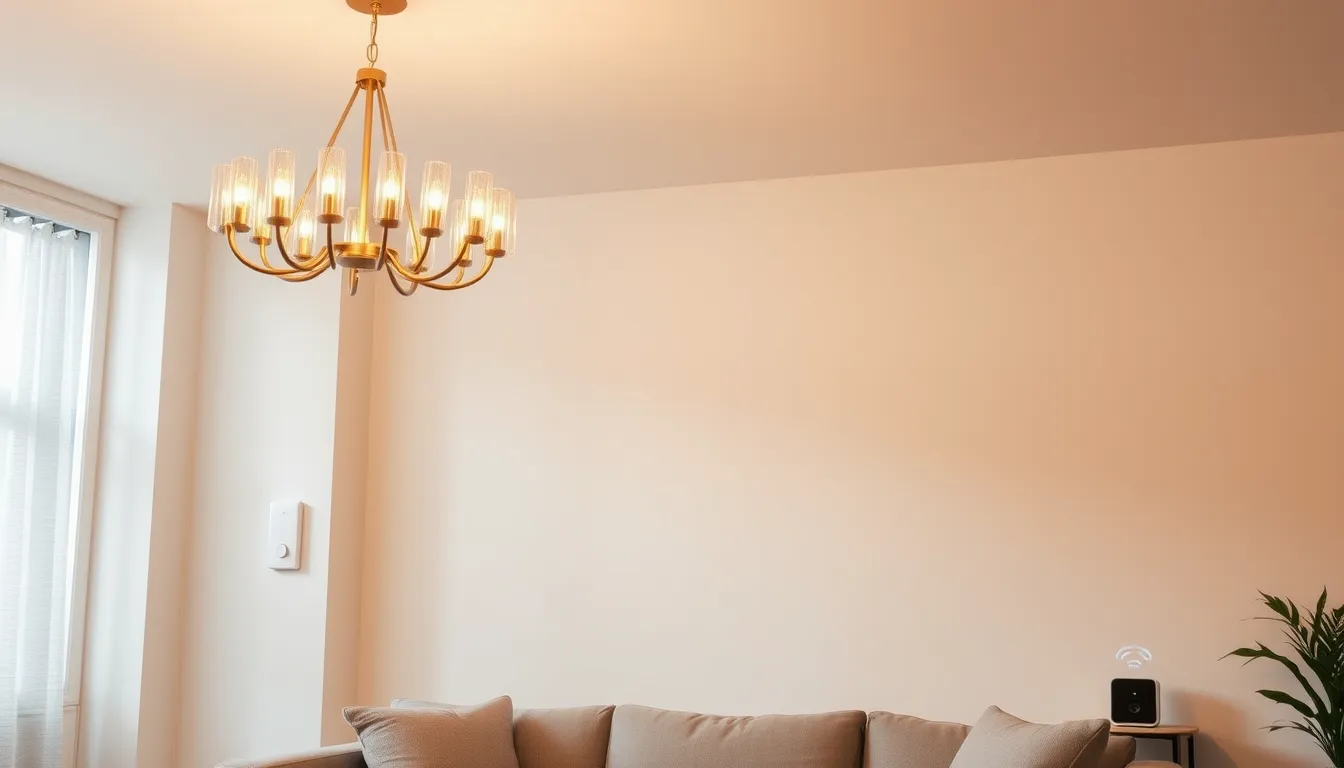
If you are replacing old bulbs or planning a whole-home lighting upgrade, this guide focuses on the practical specs that actually affect performance and cost. It is designed for homeowners who want to reduce energy bills without sacrificing light quality or functionality.
You will learn how to interpret lumens, color temperature, and CRI ratings to match fixtures to specific room needs. We also cover critical compatibility checks for dimmers and smart systems, ensuring your new LED setup works seamlessly from day one.
Understanding the Core Metrics: Lumens, Watts, and Color
The wattage number on a bulb box used to indicate brightness. Today, it measures energy consumption, not light output. For LED technology, you must look at Lumens to determine how bright a fixture will be. Lumens represent the total amount of visible light emitted in all directions. A higher lumen count produces a brighter room, while lower counts create softer, ambient lighting. This shift allows you to compare energy efficiency directly against brightness, rather than guessing based on power draw.
Lumens define brightness. Watts define energy use. Kelvin defines mood. CRI defines color truth.
Next, consider Color Temperature (Kelvin), which describes the warmth or coolness of the light. Lower Kelvin values, typically in the 2700K range, emit a warm, yellowish glow similar to traditional incandescent bulbs. This tone is relaxing and best suited for bedrooms or living areas. Higher Kelvin values, around 4000K to 5000K, produce a cooler, whiter light that feels more alerting. These are ideal for kitchens, bathrooms, and home offices where task clarity is essential. Choosing the right Kelvin range prevents the disorienting effect of mixing incompatible light tones in a single space.
Finally, check the CRI (Color Rendering Index). This metric, rated from 0 to 100, indicates how accurately a light source reveals the true colors of objects compared to natural daylight. A high CRI ensures that whites appear clean and skin tones look natural. Lower CRI values can make colors appear washed out or distorted, which is problematic in spaces like dressing rooms or art galleries. Prioritizing a high CRI ensures your lighting supports visual comfort and accurate color perception, completing the core vocabulary needed to evaluate any fixture’s performance effectively.
Matching Light Quality to Room Function
Selecting the right light depends on what you do in that space. Different rooms require different balances of brightness and warmth to support their specific activities effectively.
For kitchens and bathrooms, prioritize task lighting. These areas benefit from cooler color temperatures, typically in the 3500K to 4000K range, which provide crisp, alerting light ideal for food preparation or applying makeup. A high CRI is essential here because it reveals true colors, preventing skin tones from looking distorted and ensuring you can accurately judge food freshness or clothing shades. High lumens are also necessary to illuminate detailed work surfaces without eye strain.
Conversely, living rooms and bedrooms serve relaxation and social functions. Warmer color temperatures, around 2700K, create a cozy, inviting atmosphere that eases the transition to sleep. In these spaces, dimmable LED fixtures are crucial. They allow you to lower the brightness for evening relaxation, reducing visual fatigue and supporting natural circadian rhythms.
Rather than relying on a single overhead source, layer your lighting. Combine ambient light for general illumination with focused task lighting for reading or cooking, and add accent lighting to highlight architectural features or artwork. This approach reduces overall energy consumption by allowing you to use only the specific light levels needed for the current activity, rather than illuminating the entire room at maximum capacity.
Compatibility Checks: Dimmers, Fixtures, and Smart Systems
Dimmer Switch Compatibility
Standard incandescent dimmers often fail with LED bulbs, causing flickering or premature burnout. Before replacing bulbs, verify that your existing dimmer is rated for LED loads. If it is not, replace the switch with an LED-specific model. These units are designed to handle the lower wattage and specific electrical characteristics of LED technology, ensuring smooth dimming from 100% down to very low levels without interference.
Fixture Restrictions and Ventilation
LEDs generate heat primarily at the base, but they dissipate it differently than incandescent filaments. In enclosed fixtures, where air circulation is limited, heat can trap and shorten bulb life. Check the packaging for “enclosed fixture” compatibility ratings. If your light fixture is fully sealed, you may need a bulb specifically engineered for high-heat retention or consider replacing the fixture with one that allows for better airflow.
Smart Systems and Physical Fittings
When integrating smart lighting, ensure the base type matches your socket. Standard screw bases like E26 or E27 are common, but smaller candelabra bases (E12) or pin bases (GU10) require specific smart components. Verify the voltage rating as well; mismatched voltage will prevent the device from functioning or cause immediate failure. For smart bulbs, check if your hub supports the specific communication protocol, such as Zigbee or Wi-Fi, to avoid compatibility issues during setup.
Evaluating Longevity and Total Cost of Ownership
When budgeting for lighting upgrades, focus on total cost of ownership rather than just the initial purchase price. While LED bulbs typically carry a higher upfront label price than traditional incandescent or halogen options, their longevity significantly reduces long-term expenses. Incandescent bulbs often burn out quickly, requiring frequent replacements that add up in both money and time. LEDs, by contrast, last considerably longer, meaning you will replace them far less often over the life of your home lighting.
Energy efficiency plays a pivotal role in these savings. Because LEDs convert a higher percentage of electricity into light rather than heat, they draw less power to produce the same amount of lumens. This lower energy draw translates directly into reduced utility bills. Over several years, the cumulative savings on electricity often offset the premium paid for the initial LED hardware. When evaluating a fixture, consider the entire lifecycle: the cost of the bulb, the energy it consumes during its functional life, and the frequency of replacement. A cheaper bulb that fails after a few months is rarely more economical than a higher-cost LED that lasts for years. Additionally, durable construction in quality LEDs means fewer trips to the store or online orders for replacements, saving time and effort. By prioritizing durability and efficiency, you shift the financial focus from a single transaction to sustained value, ensuring your lighting investment delivers consistent performance without recurring major costs.
Common Mistakes to Avoid When Upgrading
Buyers often focus solely on wattage reduction, ignoring actual light output. A lower-wattage LED does not automatically mean dimmer light; you must compare lumens to your previous bulbs to ensure equivalent brightness. Relying on wattage alone leads to under-lit rooms or unnecessarily high energy use.
Another frequent error is neglecting Color Rendering Index (CRI) in task-heavy areas. While Color Temperature (Kelvin) sets the mood, CRI determines how accurately colors appear. In kitchens, bathrooms, or home offices, low-CRI bulbs can make food, skin tones, or documents look washed out. Prioritize high CRI ratings for spaces where visual clarity and color accuracy are essential for daily activities.
Compatibility issues also arise when ignoring dimmer requirements. Installing non-dimmable LEDs into circuits with existing dimmer switches causes flickering, buzzing, or premature bulb failure. Always verify that the bulb packaging explicitly states "Dimmable" before purchase. Furthermore, check for specific dimmer types recommended by the manufacturer, as some LEDs require electronic dimmers rather than traditional ones.
Finally, sourcing products from reputable retailers protects you from counterfeit or substandard items. Unauthorized sellers may offer lower prices but provide no warranty support and increased risk of defective units. Authentic products come with manufacturer guarantees and reliable after-sales service. By checking packaging for compatibility warnings and buying from trusted sources, you ensure your energy-efficient lighting upgrade performs safely and lasts as expected.
Leave a Reply